



Rafter
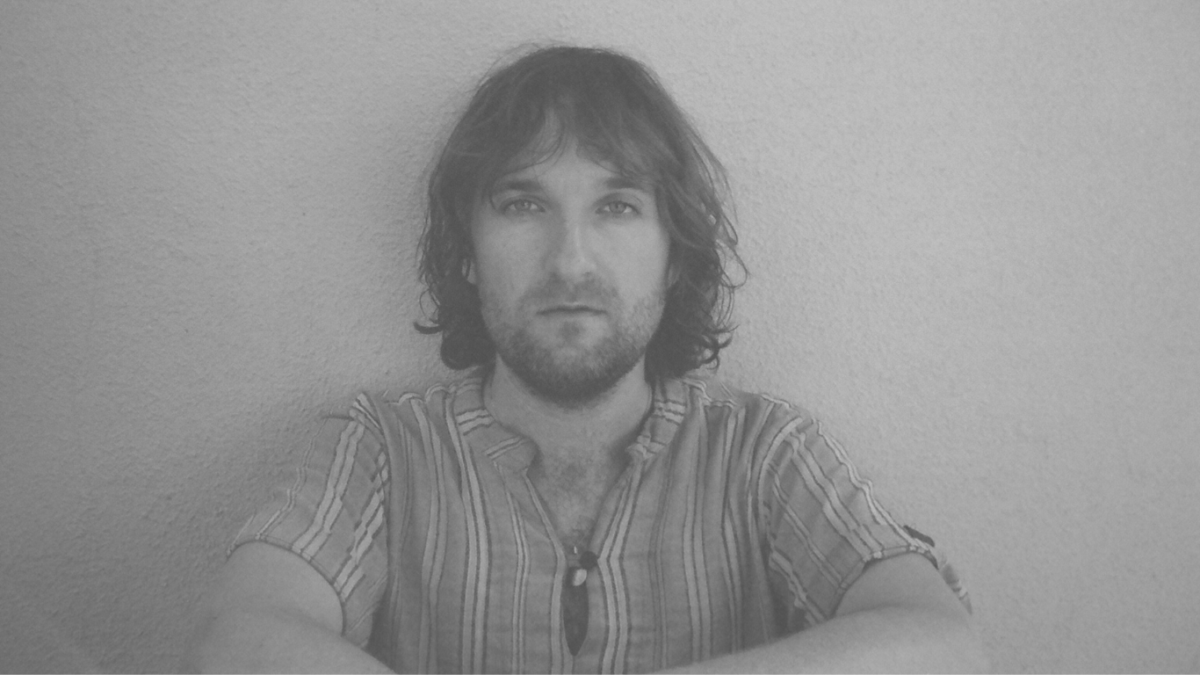
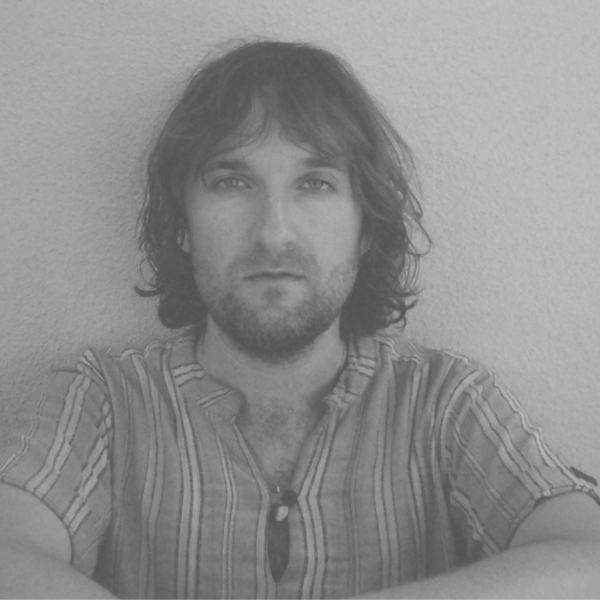
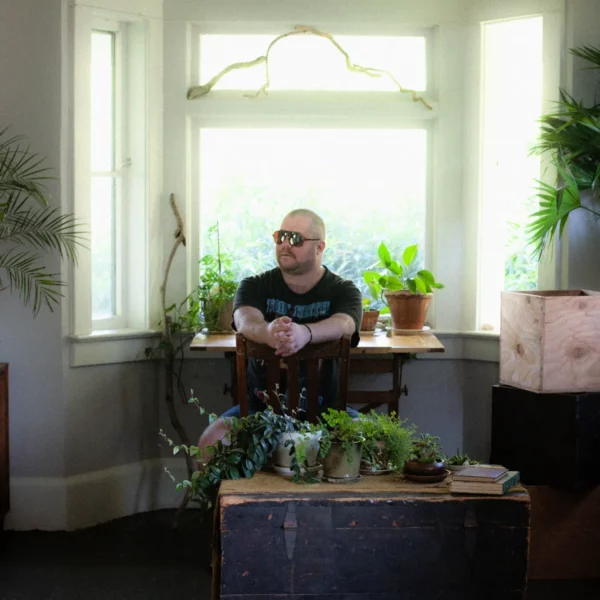
Rafter Roberts stands no taller than your average human male, yet his fiery red-haired head is filled with the minutiae of music, swirling and churning constantly. Fortunately this leaves little room for fear, of which Rafter has nearly none. His fearlessness has led him to do just about everything he sets his mind to, which of course includes free-for-all rowdy sweatiness, hanky panky, and rolling on the stage, yelping. (Not to mention playing in bands since the age of two, new fatherhood and marriage, running a business, goin’ to shows, building a new studio, makin’ his own music, recording bands and eating raw… all without going furiously nuts.) His is a strong will tempered by humor. One of the most intense and powerful music nerds you may ever meet, there is a refreshing lack of poseur hipness to Rafter Roberts. In its stead is a pure enthusiasm for people, for doing it yourself, and the helping hand, for kicking against the pricks and kicking out the jams.
Rafter grew up in the woody climes of Sebastopol, California, where his parents raised him in a decidedly nontraditional setting. “My parents named me Rafter,” he told LAS magazine. “I don’t know if I want to call them ‘hippies’ but they were definitely counterculture and outside the norm. When my mom was pregnant with me one of the people they lived with in this semi-commune made a joke that they should name the baby Rafter because he was conceived in a loft. And it just sorta stuck.”
Rafter encountered early critical success in high school with a band called Faucet, the most popular (and only) punk band in town, boasting audiences of three or four hundred strong. Despite this raging small-town success, Rafter flew the coop after graduation and landed in a communist apartment in New York City, banging out 4-track creations while the uninspired tunes of a half-assed commie-party band wafted in the background. The siren-song of his beloved homecoast eventually brought him back west, but he stuck with the big city atmosphere and moved to San Francisco. It was there that Rafter figured out the beneficial equation of hosting house shows and recording his friends’ bands, many of whom were coming up the coast from San Diego.
These paths of action and interaction finally brought Rafter down to San Diego, where he landed a day-gig with his friend Glen Galloway (Soul Junk, Trumans Water) making music for commercials and, meanwhile, recording every lovely musical soul in town in his souped-up garage studio. Eventually Rafter and Glen started their own company, Singing Serpent, and built a world-class studio, trading construction help from local musicians for future recording time. Once the studio was up and running, the income from commercial work put Rafter in the ideal position to help out his brothers and sisters in need, workin’ on the cheap to record/engineer/master music he believed in; the list of which is vast and humbling, running the gamut from the Fiery Furnaces and Black Heart Procession to Sufjan Stevens and the Hot Snakes. If you want a full list you’re going to be here all day, but try a few of these on for size: Castanets, Gogogo Airheart, Rocket From The Crypt, Liz Janes, Arab on Radar, The Rapture, The Album Leaf, Bedroom Walls, Kill Me Tomorrow, Tristeza, The Peppermints, Rogue Wave, Tarantula Hawk, Maquiladora, Aspects of Physics, Upsilon Acrux, Howard Hello… the list, as you might imagine, goes on and on.
His own musical exploits have been (and continue to be) many and varied. It was all the way back in New York that Rafter realized what direction he needed to head in: He turned from the antagonism and nihilism of noisy punk to the populism and catchy congruence of pop, meanwhile smuggling in all the frantic noise and feedback squall to mash with that pop syrup. And he’s been at it ever since, first bringing his hybrid ideas to San Diego stages with fellow KCR DJs/music-freaks The Free*Stars and later as one half of the sing-song punk-pop of Bunky with local lady Emily Joyce.
The music released under Rafter’s name is a kaleidoscopic fountain of color and beats and joy. It’s smart, beautifully-produced pop and R&B jams as seen through the lens of a man with a deep well of experimental and noise chops. After a series of limited-run, self-funded cassettes, Asthmatic Kitty released an early collection of Rafter jams, 10 Songs (2006), followed by the noise-inflected LPs Music for Total Chickens (2007) and Sex Death Cassette (2008) and the crunked-up Prince-ly party pop of Sweaty Magic EP (2008).
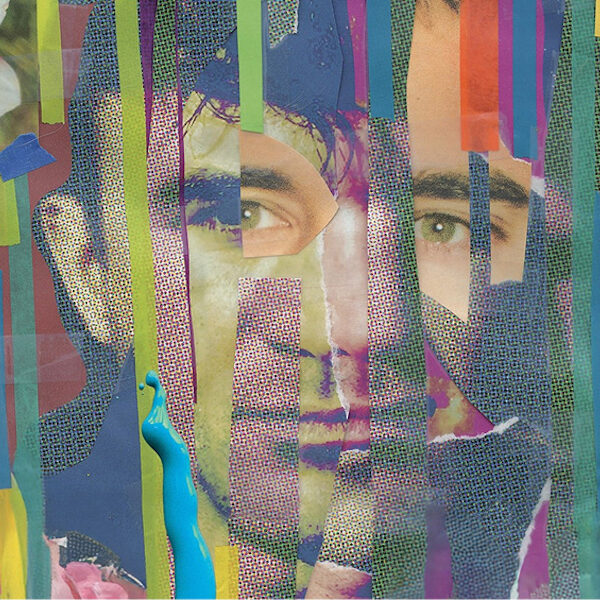
Following the pop-leaning lead of Sweaty Magic, Rafter’s latest LP, Animal Feelings, is a Technicolor pop blow-out that recalls Nintendo composer Koji Kondo leading a fantasy super-jam with Cody Chesnutt, Justin Timberlake, and the Tom Tom Club. Rafter’s history and influences, his dreams and ambition, and his love for love, all come together as a sweet, fun, speaker-blowin’, beat-busting ride into the inner-core of pop and R&B music. Ask him to drop names for his latest work and he’ll say R. Kelly and Sublime Frequencies’ Radio Phnom Penh without batting an eye. He’ll tell you Animal Feelings is “a marriage record, a lust record, a death and sex record” and he’ll tell you to read KLF’s notorious manual on writing a #1 single. The album is an idea-packed picnic of philosophies and fears, of affirmations and questions. Like all of his work, Animal Feelings is a very personal piece of music and Rafter has a lot to tell you. Whether you choose to listen or not is the difference between you getting down on the dancefloor or simply standing outside the club, listening to the beats, muffled and gutless through the walls.